Marinduque 3-Day Itinerary: Your Ultimate Travel Guide
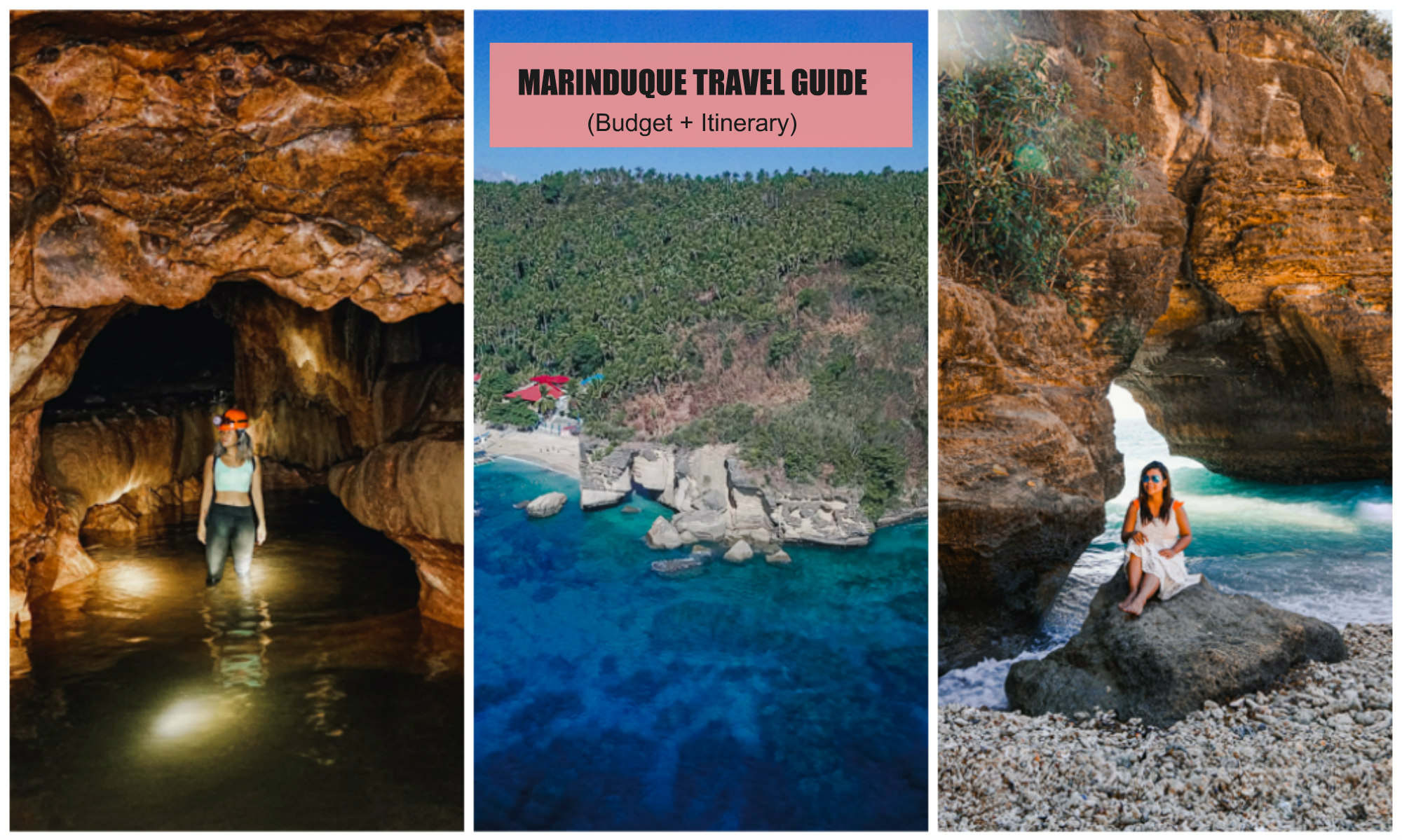
Dreaming of an island escape that combines history, nature, and laid‑back local life? Marinduque, often called the heart of the Philippines, delivers all three. This Marinduque 3-day itinerary gives you a realistic, flexible plan that hits key Marinduque tourist spots, from heritage towns to islands and beaches, while leaving enough breathing room to enjoy the island’s slower pace.
Day 1: Arrival, Mogpog Gateway & Historic Boac
Most travelers arrive via Balanacan Port in Mogpog, one of Marinduque’s main RoRo entry points.
Morning: Arrival & Mogpog Introduction
After disembarking in Balanacan, you’ll find jeepneys, vans, and tricycles waiting outside the port. You can either go straight to Boac or take a short detour in Mogpog if your schedule allows.
- Drop by the Mogpog town proper or public market for a glimpse of everyday life and quick snacks like local kakanin or fresh buko juice.
- Mogpog is closely associated with the Moriones tradition, and at certain times of year you may find workshops or shops where artisans create and sell Moriones masks and related crafts, especially as Holy Week approaches.
If you’re arriving early and feeling energetic, you can also plan a separate half‑day on another day for the Luzon Datum of 1911, a geodetic marker on a hill near Balanacan that offers wide coastal views and marks the origin of land surveys in the Philippines.
Afternoon: Boac’s Heritage & Culture
From Mogpog, continue to Boac, the provincial capital. The ride from Balanacan to Boac usually takes under an hour by jeepney, van, or tricycle, depending on traffic and stops.
After checking in at your chosen inn, guesthouse, or hotel in Boac:
- Visit Boac Cathedral (Immaculate Conception Cathedral), a centuries‑old, fortress‑like church on a hill overlooking the town. Spend time inside, then enjoy the town views from the surroundings.
- Wander around the heritage streets near the plaza, where you’ll see ancestral houses and buildings with Spanish and American‑era elements.
- If open, drop by a local museum or small exhibits in town to learn more about Marinduque’s history, including the Moriones Festival and the province’s role in different periods.
Have lunch or merienda at a local eatery or café and try simple Marinduque dishes or merienda favorites.
Evening: River, Plaza, and Local Food
In the evening:
- Enjoy dinner at a small restaurant or carinderia in Boac—fresh seafood, pancit, and simple grilled dishes are common.
- Spend some time around the town plaza to soak in the atmosphere, or walk toward areas near the Boac River if accessible and safe when you visit.
This first day gives you a gentle introduction to Marinduque’s culture and history and sets you up comfortably for more active days ahead.
Day 2: Island Hopping (Maniwaya Area) & Gasan Sunset
Day 2 focuses on the island‑hopping side of your Marinduque travel guide, plus a taste of Gasan’s coastal charm. Because it’s a full day, start early and be prepared for a long but rewarding schedule.
Morning to Early Afternoon: Maniwaya Island Hopping
Head to Buyabod Port in Santa Cruz, which many travelers use as a jump‑off point for island hopping to Maniwaya and nearby spots. Travel time from Boac or Gasan is typically around 1–2 hours depending on your starting point and road conditions.
Common stops in a standard island‑hopping loop include:
-
Maniwaya Island
- Known for its light‑colored sand and clear water, with small resorts and homestays along the shore.
- Enjoy swimming, beach walks, and lunch at a simple eatery or resort.
-
Palad Sandbar
- A sandbar that appears during low tide and creates a strip of sand surrounded by shallow water.
- Great for photos and wading, but timing depends on tides and your boat operator’s advice.
-
Ungab Rock Formation (near Mongpong Island)
- A natural rock arch by the sea, often included as a photo stop in island‑hopping routes.
- Some tours allow swimming or snorkeling in nearby waters when conditions are safe.
Practical island‑hopping tips:
- Arrange your boat in advance through your accommodation or at the port, and confirm what stops are included.
- Expect to pay a few thousand pesos per boat for a small group day trip; exact rates depend on season, group size, and destinations, so always discuss and agree on the price and inclusions before departure.
- Bring sun protection, drinking water, snacks, a waterproof bag, and snorkeling gear if you have your own.
- Always follow your boat crew’s safety instructions and be mindful of local regulations about protected areas.
Because this is a full day, consider focusing on Maniwaya + one or two key stops instead of trying to fit everything if you prefer a relaxed pace.
Late Afternoon: Gasan’s Town & Coast
After returning to the mainland, make your way to Gasan. Travel time from the Santa Cruz area to Gasan can range around 1–2 hours, depending on your docking point and transport.
In Gasan:
- Visit San Roque Parish Church (Gasan Church) for another perspective on local religious heritage and views toward the sea.
- Look for small shops or market stalls selling local crafts such as baskets, buri hats, and other woven goods.
For sunset:
- Choose a coastal spot in Gasan where you can sit and watch the sun go down over the Sibuyan Sea.
- Some visitors plan their timing so they’re back closer to Boac and nearby viewpoints, while others prefer to enjoy sunset right along Gasan’s shoreline.
Have dinner in Gasan or Boac, depending on where you’re staying. After a long day, plan for a quiet night to recharge.
Alternate option: If you prefer a slower pace, you can dedicate the whole day to Maniwaya and nearby spots, then reserve Gasan town exploration and a coastal sunset for a lighter Day 3 afternoon instead.
Day 3: Poctoy White Beach & Departure
Your last day focuses on one of the most accessible Marinduque beaches and on getting yourself back to the port on time for your trip home.
Morning: Poctoy White Beach (Torrijos)
From Boac or Gasan, head to Poctoy White Beach in Torrijos. Travel usually takes around 1–2 hours each way, depending on your starting point and road conditions.
At Poctoy:
- Enjoy a long stretch of light sand with views of Mount Malindig in the background.
- Swim in the usually calm water, relax under trees or rented cottages, and simply unwind.
- Local carinderias and small eateries serve basic meals and snacks, including grilled fish and other seafood.
You can spend most of the morning here. If you need to catch a specific ferry later in the day, keep a close eye on the time and allow generous buffers for your return trip.
Afternoon: Souvenirs & Port Check‑in
On your way back toward your departure port (often Balanacan in Mogpog, though some travelers use other ports depending on their ferry), consider:
- A final stop in Boac to buy local products like arrowroot cookies (uraro), sweets, simple handicrafts, and small Moriones‑themed souvenirs.
- Picking up snacks and water for your return journey.
Plan to arrive at the port at least 1–2 hours before your scheduled departure, especially during Holy Week and long weekends, to account for tickets, terminal fees, queues, and any schedule changes.
As you wait to board, you’ll have one last chance to take in the coastline and hills that have framed your Marinduque 3-day itinerary.
How to Get to Marinduque (Quick Overview)
A full step‑by‑step transport breakdown works best in a dedicated guide, but here’s a simple overview so you can see how this itinerary fits into your travel days.
-
From Manila to a Luzon port:
- Most travelers ride a provincial bus from Manila (common terminals include Cubao, Buendia/Pasay, or Alabang) to a port such as Batangas or Lucena (Dalahican), depending on the ferry operator.
- Travel time can range from roughly 3 to 5 hours depending on traffic and route.
-
Ferry to Marinduque:
- RoRo ferries and other vessels connect Luzon ports to Balanacan (Mogpog), Cawit (Boac), or Buyabod (Santa Cruz).
- Travel time is typically around 3–4 hours but can vary based on sea conditions and vessel type.
- Schedules and operators change over time, so always confirm current routes, fares, and departure times directly with ferry companies or through updated local resources before your trip.
-
Within Marinduque:
- Jeepneys, vans, and tricycles connect ports to Boac and the other municipalities.
- For groups or special itineraries, you can arrange private vans or multicabs through accommodations or local contacts.
If you want detailed fare samples, timetables, and route options, pair this itinerary with a dedicated “How to Get from Manila to Marinduque” guide and keep your itinerary post focused on what to do once you’re on the island.
Essential Travel Tips for Your Marinduque 3-Day Trip
To make the most of this itinerary and keep your plans realistic:
-
Best time to visit:
- Generally, the drier months (roughly December to May) are more reliable for island hopping and beaches.
- Holy Week brings the Moriones Festival and a very busy island; book ferries and rooms well in advance if traveling then.
-
Booking accommodation:
- Boac works well as a base for this 3‑day plan, with options in Gasan and Santa Cruz if you want to split nights.
- For peak dates, reserve early; for off‑peak, you often have more flexibility and sometimes softer rates.
-
Budgeting:
- Marinduque is generally budget‑friendly for transport, simple accommodation, and food.
- Island hopping, guided hikes, and certain activities will add to your daily spend, so allow room in your budget for boats and occasional entrance or environmental fees.
-
Health, safety, and respect:
- Bring sun protection, insect repellent, any personal medicines, and a small first‑aid kit.
- Dress modestly when visiting churches and be mindful of local customs, especially during religious events.
- Always check weather updates, especially in the wet season, since ferries may be delayed or canceled for safety.
With this Marinduque 3-day itinerary, you’ll get a balanced taste of town life, island hopping, and beach time, plus enough flexibility to adjust based on weather, ferry schedules, and your energy level.