Marinduque Festivals: Your Ultimate Guide to Island Joy
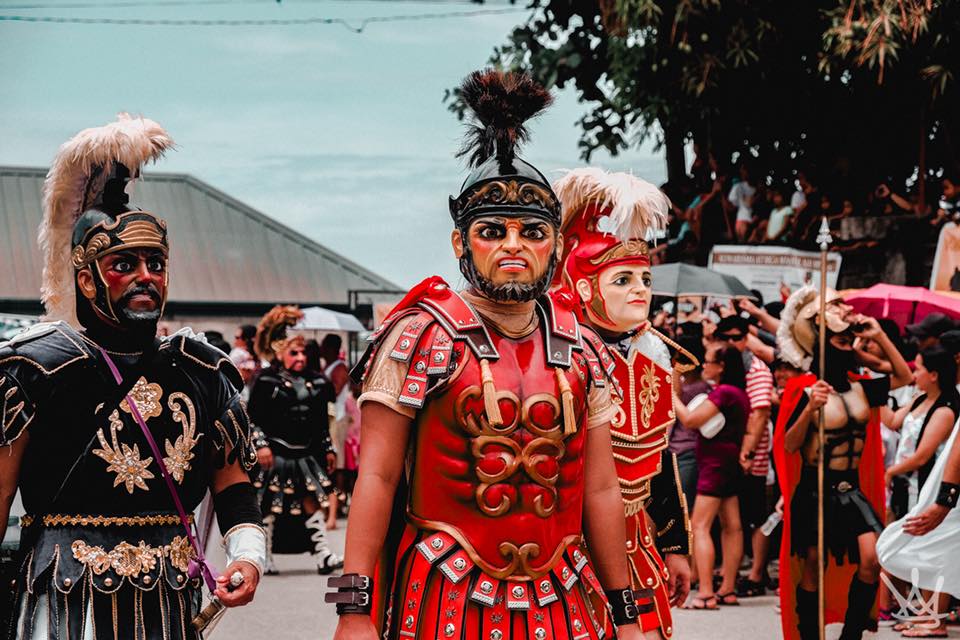
Marinduque, an island province nestled in the heart of the Philippines, is not just known for its pristine beaches and lush landscapes but, more profoundly, for its exceptionally rich and vibrant festival culture. From the world‑renowned Moriones Festival to a tapestry of lesser‑known yet equally captivating celebrations, Marinduque festivals offer a window into the soul of its people, blending deep‑seated traditions with fervent religious devotion and an undeniable spirit of community. This ultimate guide invites you on a journey to explore the island’s most spectacular events, helping you plan an unforgettable cultural immersion.
The Moriones Festival: Marinduque's Iconic Holy Week Celebration
When one speaks of Marinduque festivals, the Moriones Festival immediately comes to mind. This iconic celebration, held annually during Holy Week, transforms the entire island into a living theater, drawing thousands of local and international tourists. It is undoubtedly one of the most unique Philippine cultural festivals, celebrated with a fervor that is both deeply religious and breathtakingly theatrical.
The festival’s origins trace back to the Spanish colonial era, intertwined with local folk Catholicism. It reenacts the story of Longinus, the Roman centurion who, according to local legend, was blind in one eye and regained his sight when drops of Christ’s blood splattered onto him during the crucifixion. Struck by this miracle, Longinus declared his faith, leading to his subsequent beheading. The Moriones, men and women dressed in elaborate Roman soldier costumes with intricately carved wooden masks (called "morions") depicting fierce, grotesque, or humorous faces, represent these centurions searching for Longinus.
A Spectacle of Faith and Tradition
The Moriones Festival is not just a spectacle; it’s a profound act of penance and devotion. Participants, often fulfilling a panata (vow) for blessings received or prayers answered, endure the heat and physical demands of wearing their heavy costumes for days, parading through towns, and performing the "pugutan" (beheading) reenactment.
- Pugutan: The climax of the festival is the symbolic capture and beheading of Longinus, typically staged on Easter Sunday. This dramatic reenactment symbolizes the triumph of faith and repentance.
- Via Crucis: Throughout Holy Week, Moriones participate in the "Via Crucis" or Stations of the Cross, often performing silent penance or engaging in street plays depicting biblical scenes.
- Parades and Street Dances: Moriones from various towns converge, parading through the streets, their colorful costumes and imposing masks creating a mesmerizing tableau against the backdrop of Marinduque’s provincial charm.
Understanding the Moriones Festival dates is crucial for planning your visit. It always falls during Holy Week, which varies each year but typically occurs between late March and mid‑April. For 2026, Holy Week runs from March 30 (Palm Sunday) to April 5 (Easter Sunday), with the main festival activities taking place from Monday through Easter Sunday. We highly recommend booking accommodations and transport well in advance, as the island fills up quickly during this period. For a deeper dive into the history, traditions, and must‑see events of this extraordinary celebration, explore our dedicated post on the Moriones Festival.
Beyond Moriones: Other Vibrant Marinduque Festivals Throughout the Year
While the Moriones Festival is the crown jewel of Marinduque’s cultural calendar, the island hums with a vibrant rhythm of other celebrations throughout the year. These Marinduque festivals, though perhaps less globally recognized, are equally rich in local color, history, and community spirit, offering diverse experiences for any traveler. They showcase the island’s agricultural bounty, historical milestones, and unique local customs, solidifying Marinduque’s reputation as a land of unending festivities.
Bila‑Bila Festival (Boac)
Held annually in the town of Boac, the Bila‑Bila Festival is a relatively newer addition to the island’s lineup of celebrations. “Bila‑bila” is the local term for butterfly, and the festival pays tribute to Marinduque’s rich biodiversity, particularly its thriving butterfly farms. The event is celebrated around Boac’s town fiesta on December 8 (Feast of the Immaculate Conception), when the community honors local butterfly farms and ecological heritage through colorful street dances and butterfly‑inspired costumes. Participants, often children and young adults, don elaborate, butterfly‑themed outfits and mimic the graceful flight of these insects, making it a delightful, family‑friendly cultural experience.
Tubong Festival (Sta. Cruz)
The Tubong Festival, celebrated in the municipality of Sta. Cruz, is another testament to Marinduque’s cultural depth. “Tubong” refers to the traditional practice of “saluting” or “welcoming” an honored guest, typically with singing, dancing, and offering local produce or gifts. The festival is a vibrant reenactment of this ancient custom, paying homage to the town’s history and welcoming spirit. Participants in traditional attire perform ritualistic dances, often involving the presentation of farm products and handicrafts, creating a warm and authentic portrayal of Marinduqueño hospitality and community bonds. The festival usually takes place in late April to early May, offering a fresh, cultural side of the island during the transition into the dry season.
Gasang‑Gasang Festival (Gasan)
The Gasang‑Gasang Festival in Gasan is a dynamic and energetic celebration that highlights the town’s coastal heritage and the cooperative spirit of its people. Named after the “Gasang” (corals) once abundant in the waters around Gasan, the festival features street dances with movements and costumes inspired by marine life. Held every Easter Sunday, it serves as a joyous counterpoint to the solemnity of Moriones, filling the town with color, music, and dance immediately after Holy Week. It’s a fantastic opportunity to witness the vibrant creativity of Marinduqueño artists and performers in a relaxed, festive setting.
Kalesayahan Festival (Mogpog)
Mogpog, another prominent town in Marinduque, proudly presents the Kalesayahan Festival, which puts the traditional Philippine kalesa (horse‑drawn carriage) at its forefront. The festival celebrates the kalesa’s historical role in local transport and its enduring charm as a symbol of provincial life. The event features beautifully adorned kalesas parading through the streets, often accompanied by local dancers and musicians. It’s a nostalgic, low‑key celebration, perfect for visitors who enjoy cultural heritage with a relaxed, small‑town vibe. The festival is usually held in May, giving summer‑time travelers another reason to extend their stay in Marinduque.
Araw ng Marinduque
Beyond town‑specific festivals, the entire province unites to celebrate Araw ng Marinduque (Marinduque Day), commemorating its founding anniversary. This provincial‑wide celebration, held every February 21, is marked by cultural presentations, sports events, trade fairs showcasing local products, and civic parades. It’s an excellent time to witness the collective pride and achievements of the Marinduqueño people, offering a comprehensive overview of the island’s offerings and community spirit. The date is often declared a special non‑working day, making it ideal for a wider family‑style visit.
These diverse Marinduque festivals, each with its own unique flavor and significance, collectively paint a rich picture of the island’s cultural landscape. They provide compelling reasons to extend your stay beyond Holy Week, allowing you to discover the various facets of Marinduque’s heritage throughout the year. For more detailed information on specific festival dates and activities, we encourage you to consult our individual guides for each event.
The Cultural Significance and Roots of Marinduque Festivals
Marinduque festivals are far more than mere public spectacles; they are profound expressions of identity, history, and deeply ingrained beliefs. Their cultural significance lies in their ability to preserve ancient traditions, strengthen community bonds, and provide a vibrant platform for artistic and spiritual devotion. Understanding their roots offers a deeper appreciation for the unique heritage of this “Heart of the Philippines.”
A Tapestry of Influences: Indigenous, Colonial, and Religious
The origins of Marinduque festivals are a fascinating blend of indigenous pre‑colonial practices, Spanish colonial influence, and the enduring power of Catholic faith.
- Pre‑colonial Animism and Harvest Rituals: Before the arrival of the Spanish, early Marinduqueños likely engaged in animistic rituals, offering thanksgiving to nature spirits for bountiful harvests, good weather, and protection. While these specific rituals may not be explicitly visible today, their essence often subtly underpins contemporary celebrations, particularly those related to agriculture or local produce. The spirit of community gathering and collective celebration is a clear link.
- Spanish Colonial Impact and Catholic Faith: The arrival of the Spanish in the 16th century introduced Catholicism, which profoundly reshaped local cultural expressions. Many Marinduque festivals, most notably the Moriones, are deeply rooted in Catholic dogma and devotion. The Moriones, for instance, reinterprets a biblical narrative through a distinctly Marinduqueño lens, demonstrating how foreign religious concepts were localized and integrated into existing cultural frameworks. The concept of panata (vow) is central to many religious festivals, showcasing the strong personal faith that drives participation.
- Local Legends and Folk Catholicism: Over centuries, Catholic teachings merged with local folklore and beliefs, giving rise to unique traditions like the Longinus story in Marinduque. These localized narratives imbue the festivals with a distinct flavor, making them resonate deeply with the local population and distinguishing them from other Philippine cultural festivals.
Preserving Heritage and Fostering Community
Marinduque festivals serve as powerful vehicles for cultural preservation. They are living museums where traditional costumes, music, dances, and culinary practices are kept alive and passed down through generations.
- Oral Traditions and Storytelling: Festivals are often accompanied by storytelling, where elders recount the history and meaning behind the rituals, ensuring that the younger generation understands their heritage.
- Traditional Arts and Crafts: The intricate masks of the Moriones, the vibrant costumes of the Bila‑Bila, and the handcrafted props used in other festivals showcase the artistic skills of Marinduqueños. These events provide a market and an incentive for artisans to continue their craft.
- Community Cohesion: The preparations for a festival often begin months in advance, involving entire communities. From designing costumes and choreographing dances to building props and organizing logistics, these collaborative efforts strengthen social bonds, foster a sense of shared responsibility, and reinforce community identity. Everyone, from children to seniors, has a role to play, making festivals truly communal events.
- Economic Impact: Beyond cultural value, festivals also play a vital role in the local economy. They attract tourists, stimulate local businesses, promote Marinduque tourist spots, and generate income for residents. This economic benefit, in turn, helps sustain the festivals themselves.
In essence, Marinduque festivals are dynamic manifestations of the island’s soul. They are celebrations that look both backward to a rich past and forward to a vibrant future, ensuring that the unique spirit of Marinduque continues to thrive for generations to come.
Planning Your Visit: Best Time to Experience Marinduque Festivals
To truly immerse yourself in the magic of Marinduque festivals, strategic planning is key. Knowing the best time to visit Marinduque, understanding festival schedules, and mapping out your itinerary will significantly enhance your experience. While the Moriones Festival is the biggest draw, the island offers captivating celebrations throughout the year.
Timing Your Trip for the Moriones Festival
As discussed, the Moriones Festival is the centerpiece of Marinduque’s cultural calendar and takes place during Holy Week.
- Moriones Festival Dates: Holy Week is a moveable feast, typically falling between late March and mid‑April. For 2026, it runs from March 30 (Palm Sunday) to April 5 (Easter Sunday), with the main events concentrated from Monday to Easter Sunday. To confirm the exact dates for your intended visit, always check the official Philippine Department of Tourism calendar or local government websites closer to the year of your travel.
- Peak Season Alert: This period is Marinduque’s absolute peak tourist season. Expect large crowds, fully booked accommodations, and higher prices for travel and lodging.
- Booking Essentials: Given how quickly options fill, it’s wise to book your ferry tickets and accommodations at least 1–2 months in advance, and earlier if you want the widest choice of lodgings. Walk‑ins are rarely an option during this time.
- Early Arrival: Plan to arrive a few days before Holy Week officially begins (e.g., by Palm Sunday) to witness the initial preparations, the arrival of Moriones, and to secure good vantage points for the street parades.
Experiencing Other Marinduque Festivals
If your schedule doesn’t align with Holy Week or if you prefer a less crowded experience, Marinduque offers a delightful array of other festivals at various times of the year.
- May: This month is particularly vibrant, hosting the Tubong Festival in Sta. Cruz (late April to early May) and the Kalesayahan Festival in Mogpog (May), both offering unique cultural performances and relaxed, small‑town festivities. May generally marks the start of the dry season (summer in the Philippines), making it a pleasant time for travel.
- February: Araw ng Marinduque (February 21) celebrates the province’s founding with province‑wide activities, cultural shows, and trade fairs. This is an excellent opportunity to witness the collective pride of the Marinduqueño people and discover local products.
- December: The Bila‑Bila Festival in Boac, celebrated around December 8 (the town’s fiesta), coincides with the Christmas season, offering a visually stunning, family‑friendly event.
- General Weather Considerations: The Philippines generally experiences two main seasons: the dry season (December to May) and the wet season (June to November). The dry season, particularly January to May, is considered the best time to visit Marinduque for optimal weather conditions, especially if you plan to enjoy the island’s beaches and other Marinduque tourist spots alongside the festivals. However, even during the wet season, short bursts of rain are common, and travel is generally still possible.
Combining Festival Visits with Marinduque Tourist Spots
Your Marinduque travel guide wouldn’t be complete without incorporating the island’s natural beauty and attractions.
- Boac: As the provincial capital, Boac is not only a hub for Moriones events but also boasts colonial‑era architecture, the Boac Cathedral, and the Boac Museum.
- Maniwaya Island: Located off the coast of Sta. Cruz, Maniwaya offers pristine white‑sand beaches, clear waters for swimming and snorkeling, and is a perfect post‑festival relaxation spot.
- Poctoy White Beach (Torrijos): Another stunning beach destination, ideal for unwinding after the hustle and bustle of festival crowds.
- Mount Malindig: For the adventurous, Marinduque’s highest peak offers challenging treks and panoramic views of the island.
- Tres Reyes Islands: Comprising Gaspar, Baltazar, and Melchor islands, these offer excellent opportunities for island hopping, snorkeling, and exploring hidden coves.
- Paadjao Falls (Boac): A refreshing natural attraction perfect for a cool dip.
By carefully considering the Moriones Festival dates and the schedule of other Marinduque festivals, you can craft an itinerary that balances cultural immersion with relaxation and exploration of the island’s diverse attractions. Remember to always verify specific event dates with official sources as they can sometimes change.
Practical Tips for Enjoying Marinduque Festivals Like a Local
To truly make the most of your Marinduque festival experience, it helps to be prepared and approach the celebrations with an open mind and respect for local customs. These practical tips will help you navigate the crowds, stay comfortable, and connect with the heart of Marinduque like a seasoned traveler.
1. Book Everything in Advance (Especially for Moriones)
This cannot be stressed enough, particularly for the Moriones Festival.
- Accommodation: Hotels, guesthouses, and homestays fill up quickly during Holy Week. It’s wise to book your stay at least 1–2 months in advance, and earlier if you’re eyeing specific resorts or central locations. Options range from budget‑friendly inns to more comfortable beachfront establishments.
- Transport: Book your ferry tickets (e.g., Dalahican–Balanacan or vice versa) well ahead