Marinduque Food: A Culinary Journey to the Heart of Luzon
Marinduque, often hailed as the "Heart of the Philippines," offers more than just breathtaking landscapes and vibrant festivals; it presents a culinary journey steeped in tradition and unique flavors. The island's relative isolation has helped nurture specific dishes and delicacies, making Marinduque food a delightful discovery for any traveler. From hearty stews and coconut‑rich viands to distinctive kakanin, the island's cuisine reflects its history, abundant natural resources, and the warm hospitality of its people.
Introduction to Marinduque's Rich Culinary Heritage
Marinduque's culinary landscape is a testament to its island geography and centuries of cultural exchange. Positioned in the heart of the archipelago, the province's food culture has evolved with influences from indigenous practices, Spanish‑era cooking, and nearby Southern Tagalog provinces, all while retaining locally loved specialties. What defines many Marinduque food offerings is the use of fresh, locally sourced ingredients—from the bounty of the seas and rivers to produce harvested from fertile soil.
The island's cuisine often favors simplicity, robust flavors, and generous use of coconut milk (gata), which adds a creamy richness to many dishes. Seafood plays a starring role given Marinduque's coastal setting, but poultry, pork, and various root crops also form the backbone of traditional meals. Beyond sustenance, food is closely tied to family gatherings, town fiestas, and religious celebrations, so exploring what locals eat offers a genuine glimpse into the soul of the island.
Must-Try Marinduque Food: Iconic Dishes & Their Stories
To truly experience Marinduque is to indulge in its standout dishes and delicacies, each telling a story of tradition, resourcefulness, and flavor. These local Marinduque dishes are more than just meals; they are culinary expressions passed down through families and communities.
Kari-Kari (often mistaken for Kare-Kare)
One uniquely Marinduqueño dish that often causes confusion is Kari‑Kari. Many visitors assume it is the island’s version of kare‑kare, but local accounts describe it as closer to dinuguan, using pork innards and blood rather than peanut sauce. Kari‑Kari typically features pig heart, spleen, kidneys, and small intestines cooked with garlic, onion, chili, and vinegar, then finished with pig’s blood to create a deeply savory, slightly tangy stew. Served with rice, it showcases the islanders’ thrifty, nose‑to‑tail cooking and provides a distinctly Marinduque take on hearty, rustic food. When you see “kari‑kari” on a menu or in a carinderia, expect something richer and darker than classic kare‑kare, but every bit as comforting.
Kinulob na Manok
Kinulob na manok is a ceremonial dish that embodies rustic, slow‑cooked Filipino comfort food and has close parallels in Southern Tagalog cooking. A whole native chicken is seasoned, often stuffed with aromatics (like onions and lemongrass) and sometimes rice or vegetables, then nestled in a clay pot lined with banana leaves. The chicken is slowly braised over low heat until the meat becomes incredibly tender and infused with all the flavors in the pot, resulting in a rich broth and fall‑off‑the‑bone meat. On Marinduque, this type of preparation appears during special occasions and gatherings, reflecting communal cooking traditions and the importance of shared meals.
Adobo sa Gata
Adobo, the national dish of the Philippines, takes on a creamy, island‑style twist in Marinduque with the addition of coconut milk (gata). Adobo sa gata can be prepared with pork, chicken, or a combination of both. The usual base of vinegar, soy sauce, garlic, and peppercorns is enriched with coconut milk added towards the end of cooking, creating a velvety, mildly tangy sauce with a subtle sweetness from the gata. This version is less sharp than classic adobo and pairs perfectly with steamed rice, showcasing the islanders' love for coconut‑based preparations.
Ulang-Ulang
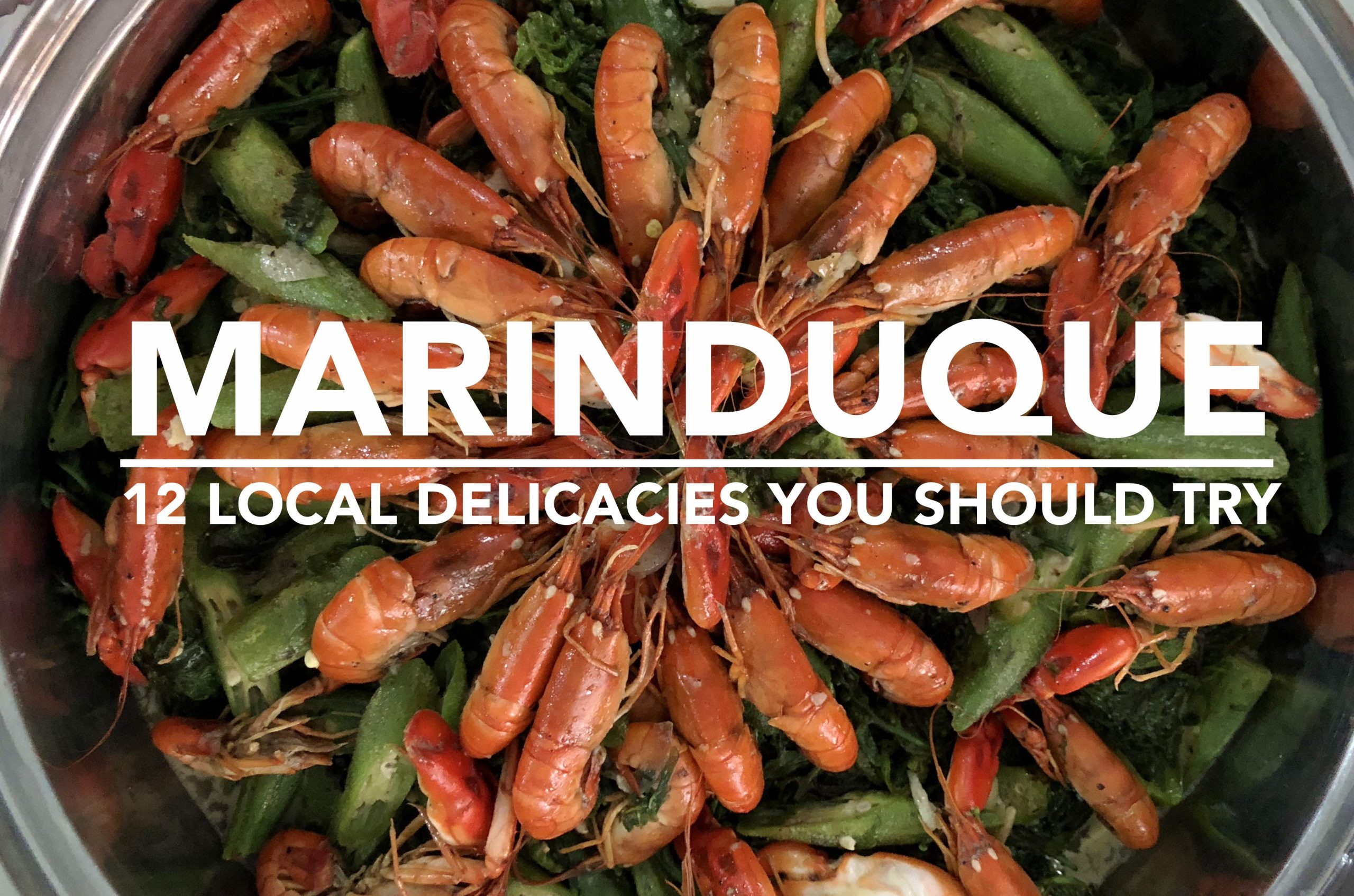
Ulang‑Ulang is often cited as a specialty associated with Marinduque, though sources describe it not with freshwater prawns but with crab or “kagang” cooked in coconut milk. In this dish, crab is simmered in thick gata and sometimes mixed with shredded coconut and young coconut strips, creating a sauce that is both rich and slightly sweet. The coconut mixture is often tucked into the shells or served alongside, highlighting the natural sweetness of the crab and the creaminess of the coconut. For seafood lovers, Ulang‑Ulang offers a distinctly local way of enjoying crab and coconut together.
Manakla and Other Shellfish Dishes
Manakla—a term used locally for certain crabs or slipper‑lobster‑type shellfish—is another prized ingredient in Marinduque’s coastal cooking. Dishes built around manakla are usually kept simple to let the seafood shine: sautéed with garlic and onions, cooked in gata, or grilled and served with vinegar‑based dipping sauces. When fresh, the meat is sweet and firm, making manakla dishes some of the best food in Marinduque for visitors who want something beyond usual shrimp or fish offerings.
Sinaing na Tulingan
Sinaing na tulingan is a classic dish across Southern Luzon that also finds a home in Marinduque households. Tulingan (skipjack tuna) is slowly cooked in a pot—traditionally earthenware—with souring agents like calamansi or vinegar, plus ginger, salt, and sometimes chili, until the fish becomes very tender and well‑flavored. The low, slow cooking allows the flavors to penetrate deeply, resulting in a dish that is pleasantly tangy, savory, and perfect with rice. While versions vary by town and household, sinaing na tulingan remains a comforting staple for many families in the region.
Each of these dishes offers a unique window into the soul of Marinduque's cuisine. To truly appreciate their depth, nothing beats tasting them in the province itself, prepared by locals who grew up with these flavors.
Sweet Delights & Unique Snacks of Marinduque
Beyond savory mains, Marinduque is known for its array of sweet treats and snacks that are perfect for merienda or pasalubong. These Marinduque delicacies often highlight rice, coconut, root crops, and especially arrowroot.
Panganan
Panganan is often mentioned as a distinct Marinduqueño kakanin, with some variations and stories shared by locals and food writers. It is typically made from rice or glutinous rice flour, coconut milk, sugar, and occasionally coconut strips or other aromatics, formed into finger‑like or shaped pieces. These are cooked—sometimes baked or fried—until they develop a satisfying bite and gentle sweetness. Because recipes are often family heirlooms, texture can range from slightly powdery and crisp to chewy, but in all cases, panganan is closely associated with special occasions and pasalubong for relatives and friends.
Bibingkang Lalaki
Bibingkang lalaki has become a recognizable name in discussions of Boac’s local kakanin, often described as an oversized, custard‑like rice cake. Made from a batter of rice flour or galapong, coconut milk, sugar, and eggs, it is traditionally baked in a pan or clay oven lined with banana leaves, giving it a smoky aroma and nicely browned sides. Its name—“lalaki” (male)—is humorously linked to its large size and hearty, rich character. Slices of bibingkang lalaki are popular during town events and as a merienda treat, especially with coffee.
Puto Seko and Uraro
Puto seko is a classic Filipino dry cookie, and you may find locally produced versions in Marinduque that appeal to those who enjoy light, crumbly sweets. These cookies are typically made from rice flour, cornstarch, sugar, and sometimes coconut milk, baked until dry and crisp, and are well‑suited as simple snacks with coffee or tea. Alongside puto seko, Marinduque is particularly famous for uraro (arrowroot) cookies, which are delicately textured, gently sweet biscuits made from arrowroot flour and are among the most iconic pasalubong items from the island.
Suman (Various Types)
Suman, a general term for rice cakes wrapped in leaves and steamed, is ubiquitous across the Philippines and also beloved in Marinduque. Local versions often use glutinous rice cooked with gata and sugar before being wrapped in banana or palm leaves. Variants may include suman sa gata, suman sa lihiya with latik, or versions enhanced with cacao or ube, depending on the town and family recipe. These are eaten for breakfast or merienda, typically paired with coffee or sprinkled with sugar and drizzled with latik.
Pastillas de Leche
While not unique to Marinduque, pastillas de leche can also be found in some parts of the island, especially where fresh milk is available. These soft milk candies are prepared by slowly cooking milk and sugar until thick, then shaping the mixture into bite‑sized pieces and rolling them in sugar. They offer a familiar Filipino sweetness that nicely complements the more distinctly Marinduque treats like uraro and bibingkang lalaki.
These sweet and snack‑style delicacies provide a delicious counterpoint to heavier dishes, giving visitors an easy way to sample everyday flavors and bring home a taste of the island.
Where to Savor Authentic Marinduque Food: Top Eateries & Markets
Discovering the authentic flavors of Marinduque requires knowing where locals actually eat and shop. The island offers a mix of experiences, from bustling public markets to cozy family‑run restaurants in Marinduque.
Local Eateries and Carinderias
For a genuine and budget‑friendly experience, seek out local carinderias and small eateries in towns like Boac, Mogpog, Gasan, and Santa Cruz. These places are everyday dining spots for residents, serving freshly prepared local Marinduque dishes such as adobo sa gata, sinaing na tulingan, vegetable stews, and simple seafood preparations. Food is often laid out turo‑turo style (you point to what you want), allowing you to try several dishes in one meal. Asking locals which carinderia they frequent is one of the best ways to uncover hidden gems.
Wet Markets (Palengke)
Public markets, or palengke, are vibrant hubs of Marinduqueño life and the main source of fresh ingredients. In places like Boac Public Market and other town markets, you’ll find freshly caught fish, crabs, manakla, and other seafood alongside vegetables, fruits, and staples used in local cooking. Some markets also have stalls selling ready‑to‑eat snacks like bibingka, suman, or fried items. While not sit‑down restaurants, markets are ideal for buying ingredients if you plan to cook, or for observing how central food is to daily routines.
Casual Restaurants and Resorts
Although Marinduque is not packed with high‑end restaurants, several casual dining spots and resorts serve both Filipino favorites and local specialties. These establishments, often located near town centers or tourist areas like Poctoy White Beach, may feature dishes such as adobo sa gata, grilled seafood, and occasionally house versions of regional specialties like kari‑kari or kinulob. Menus often rotate according to what’s fresh, so checking the day’s specials is a good strategy if you want to try the best available catch or seasonal produce.
Street Food Stalls
In the late afternoon and evening, you may encounter street vendors and small stalls around plazas and main streets selling grilled skewers, turon, banana cue, and halo‑halo, especially on weekends or during events. While the street‑food scene is more modest compared with major cities, these stalls offer another way to sample affordable, casual snacks enjoyed by locals.
To maximize your culinary adventure, stay flexible and curious. Ask residents for their favorite spots, explore side streets off the main roads, and don’t hesitate to step into simple, unassuming eateries—these are often where the most memorable Marinduque food experiences happen.
The Cultural Significance of Marinduque Food in Local Festivals
Food in Marinduque transcends mere sustenance; it is a vital part of the island’s cultural identity, especially visible during town fiestas, Holy Week observances, and family reunions. Special dishes like kari‑kari, elaborate kakanin spreads, and seafood cooked in gata often appear on tables during these occasions, symbolizing generosity, gratitude, and shared community life. Exploring what people cook and serve during these gatherings offers one of the richest ways to understand Marinduque’s traditions from the inside out.