Marinduque Local Products: Ultimate Guide & Souvenirs
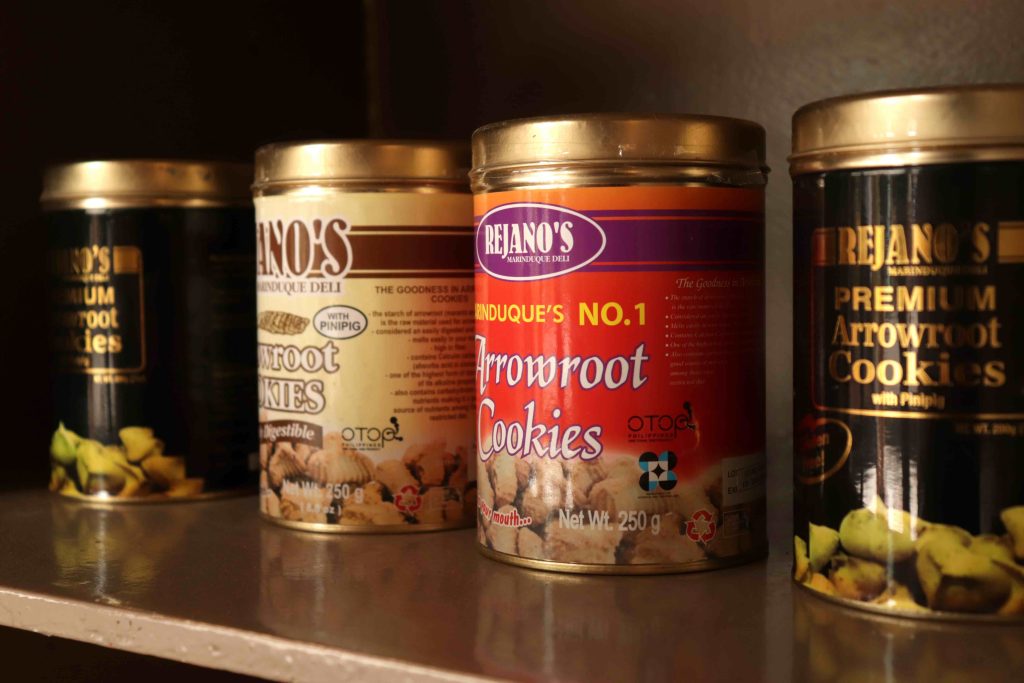
Marinduque, the heart-shaped island province, offers more than just breathtaking landscapes and vibrant festivals; it boasts a rich tapestry of Marinduque local products that capture the essence of its culture and ingenuity. From delectable culinary delights to exquisite handicrafts, this ultimate guide will take you on a journey through the province's most cherished offerings, helping you discover the perfect souvenirs and pasalubong to bring a piece of Marinduque home.
1. Introduction to Marinduque's Rich Local Offerings
Nestled in the MIMAROPA region, Marinduque is renowned for its welcoming people, pristine beaches, and the globally celebrated Moriones Festival. Beyond its natural beauty and festive spirit, the province is a treasure trove of local goods, meticulously crafted and passionately produced by its communities. These products are not merely commodities; they are stories, traditions, and the very soul of Marinduque, reflecting generations of skill, creativity, and a deep connection to the island's natural resources.
Exploring Marinduque's local products offers a unique insight into the daily life and cultural heritage of its people. Every item, be it a savory snack or an intricately carved mask, carries a piece of Marinduque's identity, making it a meaningful souvenir or a thoughtful gift. This comprehensive guide serves as your entry point to understanding the breadth and depth of Marinduque's offerings, inviting you to delve deeper into the stories behind each category.
2. Delectable Marinduque Local Food Products
Marinduque's culinary landscape is as diverse and inviting as its scenery. The island takes pride in its unique array of food products, ranging from traditional sweets that have graced tables for generations to savory delights and fresh produce. These Marinduque food products often use indigenous ingredients like arrowroot, coconut, and root crops that thrive in the island's fertile lands. When seeking Pasalubong Marinduque for friends and family, food items usually top the list, offering a taste of the island's warmth and hospitality.
Sweet Delicacies
Marinduqueños have a known love for kakanin (rice cakes) and pastries, many of which feature glutinous rice, arrowroot, and coconut milk. These treats offer a distinct flavor profile that sets the province apart from other destinations.
- Uraro Cookies (Arrowroot Cookies): Perhaps the most iconic sweet treat from Marinduque. These delicate, melt‑in‑your‑mouth cookies are made from arrowroot flour, a root crop widely grown on the island, mixed with simple ingredients like sugar and butter. They have a subtly sweet, powdery texture that makes them incredibly addictive, and are often shaped into flowers or other playful forms. Uraro cookies are a staple Pasalubong Marinduque item, perfect for tea time or as a light snack; you’ll see popular brands from Boac and nearby towns neatly packed and sealed to maintain freshness.
- Panganan and Saludsod: To taste something more distinctly local, look for panganan and saludsod in markets and pasalubong centers. Panganan are finger‑shaped snacks made with arrowroot and rice flour, while saludsod is a thin, pancake‑like delicacy made with arrowroot powder and coconut milk, often cooked on a hot pan and served simply with sugar or coconut. These favorites highlight how Marinduqueños creatively use arrowroot beyond cookies.
- Kalamay and Other Kakanin: Kalamay is a general term for various sticky rice cakes, and in Marinduque you’ll encounter versions made richer with coconut milk, local sugar, or root crops. You may also find bibingka (baked rice cake) and puto (steamed rice cake) with local twists, such as grated coconut or coco sugar toppings, typically enjoyed warm as a morning or merienda treat.
- Pastillas de Leche (Milk Candies): While pastillas are common in many parts of the Philippines, some local makers in Marinduque also produce creamy, melt‑in‑your‑mouth pastillas using fresh milk, usually from carabao or cows. These are often hand‑rolled and wrapped, making them a nice extra treat to add to your pasalubong stash, even if uraro remains the island’s signature sweet.
Savory Treats and Snacks
Beyond sweets, Marinduque offers a selection of savory items that reflect its coastal and agricultural resources. These are perfect for those who prefer less sugary snacks or want to experience local umami flavors.
- Dried Seafood Products: Given its island geography, Marinduque enjoys an abundance of fresh seafood, and preserving it through drying is a long‑standing practice. In local markets, you can find various dried fish (daing), dried squid (pusit), and sometimes small dried shrimps (alamang) that are ideal for home cooking or frying into crispy side dishes. When buying, check for a clean, briny aroma and good packaging to keep them fresh while traveling.
- Native Sausages (Longganisa): Like many provinces in the Philippines, Marinduque has its own locally made longganisa, usually sold in public markets alongside other meat products. While it is not as nationally famous as the island’s arrowroot delicacies, it offers a unique blend of spices and flavors that reflect local tastes.
- Coconut Vinegar and Coco‑Based Products: Coconut vinegar (sukang tuba or sukang sasa) and other coco‑based seasonings appear among Marinduque’s local products in trade fairs and markets. This vinegar has a distinct pungent and sour flavor and is often used as a dipping sauce for fried or grilled dishes. A bottle of authentic local vinegar or coco‑based condiments can be a great gift for culinary enthusiasts who want to experiment at home.
Fresh Produce and Agri-Products
Marinduque's fertile soil and favorable climate allow for the cultivation of various fruits and crops. Visiting local markets provides an opportunity to purchase these fresh products directly from farmers.
- Lanzones and Rambutan: If you visit during their fruiting season (often towards the end of the year), you’ll find stalls overflowing with sweet lanzones and rambutan. Locals enjoy these fruits for their juicy, refreshing flesh, making them a well‑loved seasonal what to buy in Marinduque option when traveling by land or ferry.
- Root Crops: The island is rich in root crops like cassava, sweet potatoes (kamote), and taro (gabi), which appear in many home‑cooked dishes and kakanin. You might see these sold fresh or transformed into snacks and desserts in community markets.
- Marinduque Coffee and Cacao: Some micro and small enterprises in Marinduque process locally grown coffee and cacao into roasted beans, ground coffee, or tablea products. A pack of locally roasted robusta‑style coffee or tablea can offer a unique flavor profile and directly support small‑scale farmers and processors.
To fully immerse yourself in Marinduque's food culture, visit public markets like the Boac Public Market early in the morning. This is where you’ll find the freshest ingredients, a wide range of uraro and other pasalubong products, and friendly vendors who are usually happy to share preparation or cooking tips. For a deeper dive into specific culinary traditions and a comprehensive list of must‑try dishes, explore our dedicated post on Marinduque’s gastronomic delights.
3. Exquisite Handicrafts and Artisanal Creations
The hands of Marinduqueños are as skillful as their hearts are warm, evident in the exquisite Marinduque crafts that showcase their creativity and traditional artistry. These handicrafts often draw inspiration from the island's natural resources and cultural heritage, particularly the iconic Moriones Festival. Bringing home a handcrafted item is not just acquiring a souvenir; it's preserving a piece of the island's soul and supporting its vibrant artisan communities.
Woodcrafts and Carvings
Marinduque's woodcrafts are perhaps the most recognizable, largely due to their association with the Moriones Festival.
- Morion Masks: The Moriones Festival is synonymous with Morion masks, worn by penitents during Holy Week in towns such as Boac, Mogpog, and Gasan. These intricately carved masks depict the faces of Roman soldiers, characterized by stern expressions and often adorned with colorful plumes and armor‑like accessories. Each mask is a work of art, painstakingly carved—traditionally from local woods such as dapdap or santol—and then painted and decorated by local artisans. A genuine Morion mask is more than just a souvenir; it's a powerful symbol of faith, tradition, and artistry. Smaller, decorative versions are available for display, while full‑sized, wearable masks are sought after by collectors and festival enthusiasts.
- Wooden Figurines and Sculptures: Beyond masks, Marinduque's woodcarvers also produce figurines and sculptures that depict local scenes, religious images, and everyday rural life. These pieces demonstrate the versatility and skill of the artisans in transforming raw wood into expressive art that captures the spirit of the island.
- Decorative Items: Bowls, trays, and other household or decorative items carved from local hardwoods can also be found in some shops and markets. These often highlight the natural grain and beauty of the wood, adding a rustic yet elegant touch to any home.
Shellcraft and Marine-Inspired Art
Given its coastal location, Marinduque has shops and small producers that turn seashells and other marine materials into beautiful decorative and functional items.
- Shell Jewelry: Necklaces, earrings, and bracelets crafted from various types of shells, sometimes combined with beads or woven fibers, are popular Marinduque souvenirs for beach‑lovers and island travelers. These pieces capture the serene beauty of the island's shores and are typically light and easy to pack.
- Decorative Shell Items: Ornaments, lampshades, photo frames, and wind chimes made from carefully selected and polished shells often appear in souvenir stalls or coastal shops. These items bring a touch of the ocean into your home. When buying shell products, choose reputable vendors and avoid items made from protected species.
- Coral‑Inspired Crafts: While purchasing actual coral is discouraged due to environmental regulations and reef conservation, some artisans create coral‑inspired designs using alternative materials that mimic coral forms and textures.
Other Unique Crafts
Marinduque’s resourcefulness shines through in its use of other natural materials for crafts.
- Coconut Shell Products: The abundant coconut palm provides material for unique crafts. Bowls, utensils, keychains, and decorative items are creatively fashioned from polished coconut shells, sometimes engraved or embellished with local motifs. These are eco‑friendly and functional what to buy in Marinduque items that showcase how the island maximizes its natural resources.
- Bamboo Creations: Bamboo, another common natural resource, is often transformed into practical and decorative items such as placemats, coasters, baskets, and simple furniture accents. Bamboo crafts add a natural aesthetic and durability that appeal to travelers who prefer sustainable souvenirs.
When choosing Marinduque crafts, take time to appreciate the intricate details and the story behind each piece. Many artisans, especially Morion mask makers, are happy to share how they learned their craft and what inspires their designs. Visiting artisan workshops in Boac, Mogpog, and Gasan offers a deeper appreciation for the skill and dedication involved in each creation, and your purchase directly supports their livelihoods. For a more detailed look into specific craft villages and the creative processes of local artists, refer to our extended guide on Marinduque’s craft towns and artisans.