Marinduque Philippines: Your Ultimate Island Guide
Nestled in the heart of the Philippines, Marinduque beckons with a blend of cultural richness, natural beauty, and warm Filipino hospitality. This guide gives you an overview of what to expect when visiting Marinduque Philippines—from its most famous festivals to island getaways and local flavors—so you can plan a trip that fits your interests.
Discovering Marinduque: An Introduction to the Heart of the Philippines
Marinduque, often referred to as the "Heart of the Philippines" because of its heart-like shape and central location, is an island province that showcases a quieter, more provincial side of the country. Away from the busiest tourist hubs, it offers a laid-back, authentic atmosphere that appeals to travelers looking for a more local experience.
Geographically, Marinduque lies southwest of Luzon, between Tayabas Bay and the Sibuyan Sea. Its compact size makes it relatively easy to move between towns and attractions, from coastal stretches and rolling farmlands to hills, caves, and offshore islands. Historically, its position along sea routes contributed to trade and cultural exchange, which helped shape the island’s traditions and friendliness.
Visiting Marinduque Philippines feels like stepping into a place where community life, faith, and nature are still closely intertwined. The pace is slower, giving you time to enjoy simple routines, scenery, and conversations with locals. Whether you’re drawn by festivals like Moriones, by beaches and island hopping, or by the chance to experience a smaller island province, Marinduque offers a trip that can be both relaxing and enriching.
The Moriones Festival: Marinduque's Signature Cultural Event
Among the many reasons people visit Marinduque, the Moriones Festival is the most widely known. Held during Holy Week, this event turns several towns into a stage for a mix of religious devotion, theater, and folk art.
History and Significance of the Moriones
The Moriones tradition traces back to Spanish colonial times and centers on the story of Longinus, a Roman centurion associated with the crucifixion narrative. According to the legend, Longinus, who was blind in one eye, regained his sight when Christ’s blood touched him, which led to his conversion and eventual martyrdom. The festival dramatizes his story through street performances, processions, and a final “pugutan” (beheading) scene on Easter Sunday.
“Moriones” refers to men and women dressed as Roman soldiers. They wear carved and painted masks, helmets, and armor-style costumes, often handmade or customized by families and artisans. For a week, these masked figures roam the streets, participate in short skits, and appear in processions, creating a distinctive mix of solemnity and playfulness.
Experiencing the Festival
The Moriones Festival is most active in the towns of Boac, Gasan, and Mogpog, with events spread throughout Holy Week. You can expect:
- Street scenes with Moriones characters interacting with locals and visitors
- Religious processions and church activities
- Cultural shows, fairs, and community gatherings
If you plan to visit Marinduque Philippines specifically for Moriones, book transport and accommodation well in advance, as Holy Week is the island’s peak season. Experiencing Moriones from within the community gives insight into how faith, family, and tradition are woven into Marinduqueño life.
Top Tourist Attractions: Beaches, Caves, and Natural Wonders of Marinduque
Marinduque’s appeal doesn’t end with Moriones. The island offers a variety of places to visit—from calm beaches and offshore islands to caves and waterfalls—making it easy to build a list of things to do in Marinduque around nature and light adventure.
Island Escapes and Pristine Beaches
Several of the province’s most talked-about spots are reached by boat.
Maniwaya Island Marinduque
Maniwaya Island Marinduque, off the coast of Santa Cruz, is one of the island’s signature beach destinations. It has a shoreline of light-colored sand, clear water, and small resorts and homestays. Visitors typically come here to swim, relax, and use the island as a base for nearby side trips.
From Maniwaya Island, standard island-hopping routes often include:
- Palad Sandbar: A sandbar that appears during low tide, where you can walk on a strip of sand surrounded by shallow water and take panoramic photos. Timing your visit depends on tides and sea conditions.
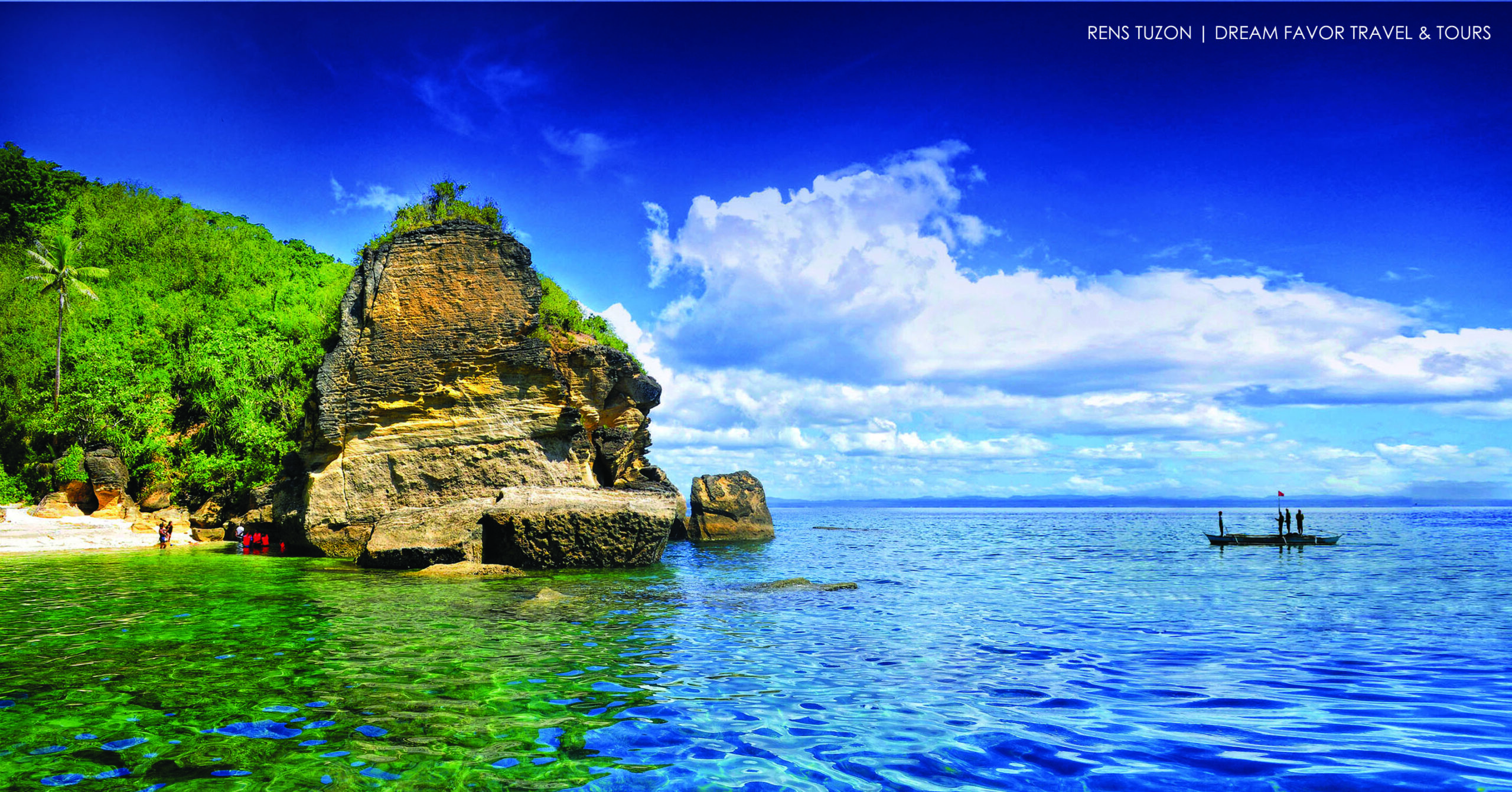
- Mongpong Island and Ungab Rock Formation: Mongpong Island is known for the Ungab Rock Formation, a natural rock arch overlooking the sea. Simple beaches and a more rustic feel make it a nice stop for those who enjoy less developed spots.
These stops are usually combined in a half- or full-day trip, and many visitors consider Maniwaya and its nearby islands a must-add to their Marinduque itinerary.
Other Notable Beaches and Island Spots
- Poctoy White Beach (Torrijos): A long stretch of light sand with views of Mount Malindig. It’s accessible by land, with cottages, trees for shade, and local food available, making it an easy “day at the beach” destination.
- Tres Reyes Islands (Gasan): Off the coast of Gasan are three islands named Gaspar, Melchor, and Baltazar. These are known for small beaches, rocky coasts, and clear waters suitable for swimming and snorkeling when conditions are good.
Caves, Waterfalls, and Mountain Views
Inland Marinduque also has natural spots that appeal to hikers and explorers.
Bathala Caves (Santa Cruz)
Bathala Caves is a group of caves in Santa Cruz often included on lists of Marinduque tourist spots. Some chambers are accessible with the help of a local guide and feature rock formations and bat colonies. Because paths can be uneven or slippery, basic fitness and proper footwear are recommended. Going with an accredited guide helps with safety and orientation.
Other Natural Highlights
- Mount Malindig: The island’s highest peak and a prominent feature in the south. With local guidance, more experienced hikers can climb to viewpoints that offer sweeping views of Marinduque and nearby seas.
- Waterfalls such as Paadjao Falls (Boac) and others: Smaller falls and river spots around the island provide cool, shaded areas for short hikes, swimming, and picnics. Access and facilities can vary, so it’s wise to ask locals about current conditions.
Collectively, these attractions show that Marinduque is more than just beaches; it’s also an island where you can mix sea, hills, caves, and rivers into your plans.
Marinduque's Rich History and Local Heritage
Marinduque Philippines has a layered history that ranges from pre-colonial trade to significant events in the Philippine–American War. Learning a bit about its past can deepen your appreciation for the places you visit.
Early Settlement and Spanish Influence
Long before colonial records, Marinduque already had communities that engaged in trade with neighboring islands and foreign merchants. Archaeological finds such as pottery and other artifacts suggest active coastal settlements and participation in wider trade networks.
During the Spanish period, Catholicism and new governance systems were introduced. Churches became central to town life and remain important landmarks today, with Boac Cathedral and other parish churches reflecting architecture and practices rooted in that era. Town centers with old houses, plazas, and stone or wood structures also mirror these influences.
The Philippine–American War and Local Identity
Marinduque was the site of battles and resistance during the Philippine–American War, including engagements that are remembered locally for the courage of Filipino fighters. Memorials and historical markers, such as those in Boac and Torrijos, point back to these events. Over time, stories from this period have become part of the province’s identity, alongside its religious and cultural traditions.
Today, Marinduque’s heritage lives on not only in monuments and structures but also in daily routines, language, festivals, and crafts. Visitors who take time to walk through old streets, talk to residents, and visit small museums gain a fuller picture of the island beyond its beaches.
A Taste of Marinduque: Exploring Local Cuisine and Delicacies
Food is a big part of understanding Marinduque Philippines. Local dishes draw from the sea, coconut groves, and farms, and many families still prepare recipes passed down through generations.
Marinduqueño cuisine often highlights:
- Coconut milk (gata) in dishes like adobo sa gata and seafood cooked in coconut
- Root crops and rice in various kakanin (rice cakes and snacks)
- Sweets made from local sugar, peanuts, and arrowroot
Signature Delicacies and Local Favorites
- Uraro (Arrowroot Cookies): Delicate cookies made from arrowroot flour, known as one of the province’s most iconic pasalubong items. They have a light, melt-in-the-mouth texture and mild sweetness.
- Panutsa: A sweet treat made from muscovado sugar and peanuts, often formed into discs or blocks. Commonly sold near churches and town centers, it’s a simple but flavorful snack.
- Bibingka and other kakanin: Local versions of rice cakes, sometimes including specialties like bibingkang lalaki in Boac, which is larger and richer than typical bibingka, and other native treats such as panganan in certain areas.
- Fresh seafood: Grilled fish, dishes cooked in coconut milk, and simple soups or stews reflect how central the sea is to daily life.
You can sample these foods at public markets, roadside stalls, and small eateries, as well as buy packaged items to take home.
How to Get to Marinduque and Move Around
Knowing how to reach Marinduque Philippines and travel within the island helps you plan your itinerary smoothly.
How to Get to Marinduque
Options and schedules can change, but common routes historically include:
- By sea: Ferries or roll-on/roll-off (RoRo) vessels from ports in Luzon (such as those in Quezon or Batangas areas) to ports in Marinduque like Balanacan (Mogpog), Cawit (Boac), or Buyabod (Santa Cruz), depending on the shipping company.
- By air (when available): From time to time, there have been flights from Manila to Marinduque Airport near Gasan, though availability depends on airline operations and seasons.
Before your trip, check current ferry and flight schedules, terminal locations, and travel requirements, since these may change over time.
Getting Around the Island
Once on Marinduque:
- Tricycles handle short trips within towns and between nearby barangays.
- Jeepneys or vans cover routes between municipalities.
- Hired vehicles or motorcycles provide more flexibility if you want to visit multiple tourist spots in a day or reach less accessible areas.
Ask your accommodation for the latest advice on routes, fares, and trusted drivers or guides.