Marinduque Tourism: Your Ultimate Guide to Island Wonders
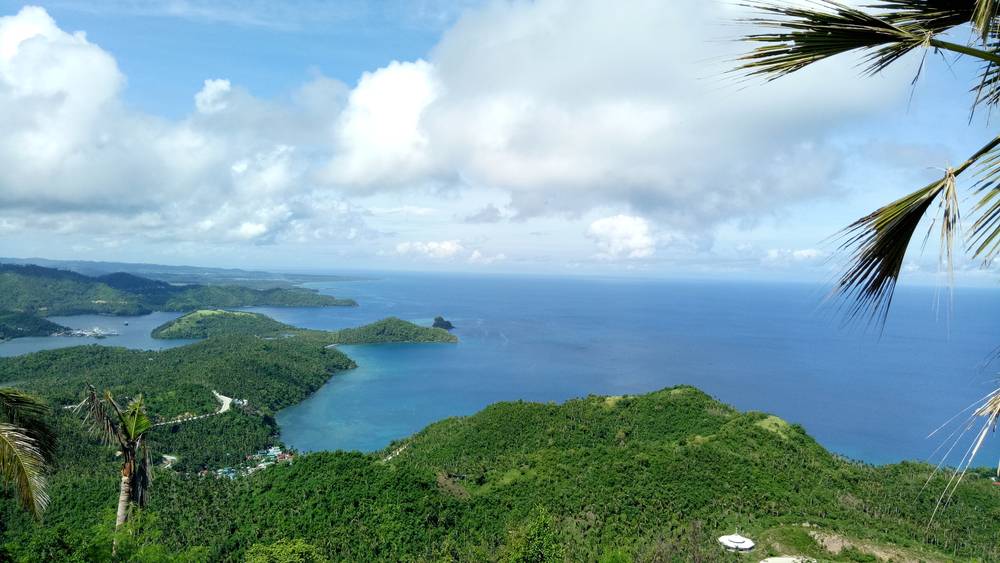
Marinduque, often called the "Heart of the Philippines" due to its distinctive shape and central location, offers a captivating blend of rich history, vibrant culture, and relatively untouched natural beauty. This ultimate guide to Marinduque tourism invites you to explore an island province where ancient traditions meet pristine landscapes, promising an authentic and memorable Philippine adventure.
Welcome to Marinduque: The Heart of the Philippines
Nestled in the MIMAROPA region, Marinduque beckons travelers seeking a destination that offers more than just stunning scenery. It is an island where time seems to slow down, allowing you to immerse yourself fully in its tranquil charm and the warm hospitality of its people. The province is often described as the “heart” of the archipelago not only for its roughly heart‑like outline but also for its central geographic position connecting Luzon and the Visayas.
This peaceful province is a refuge from the fast‑paced city life, inviting visitors to reconnect with nature and history. From its rolling hills and verdant interior to its inviting shores, Marinduque presents a diverse panorama of experiences for every type of traveler. It’s a place where every sunrise bathes the landscape in soft light and every sunset leaves a lingering sense of calm. The air is fresh, the pace is gentle, and the smiles are genuine.
Marinduque’s allure stems from its unique identity. It proudly showcases its past through well‑preserved ancestral homes and historical landmarks while also offering basic modern amenities that ensure a comfortable stay. This blend makes Marinduque a compelling choice for those who want a travel experience that is both enriching and relaxing. As you explore the “heart” of the Philippines, you’ll find that Marinduque is less a mere destination and more a layered experience that resonates with the rhythm of island life. This comprehensive guide will serve as your gateway to understanding the multifaceted appeal of Marinduque tourism, introducing you to its many wonders before you embark on your own journey of discovery.
Top Tourist Spots and Must‑Visit Attractions in Marinduque
Marinduque is dotted with an array of appealing Marinduque tourist spots that cater to diverse interests, from sun‑seekers and history buffs to adventurers and cultural enthusiasts. Each location contributes to the island’s charm, making it a rewarding destination for those who enjoy both crowdsourced “must‑sees” and quieter, off‑beat experiences. Exploring these destinations is among the top things to do in Marinduque, offering a deep dive into the province’s natural and historical landscape.
Poctoy White Beach (Torrijos)
One of the best‑known Marinduque beaches, Poctoy White Beach in Torrijos is a long stretch of fine white sand with gentle waves and clear turquoise water. It’s an ideal spot for swimming, sunbathing, and relaxing with friends and family. The shallow, calm waters make it particularly suitable for children and casual waders, while the 1‑kilometer shoreline also makes it great for leisurely walks at sunrise and sunset.
Small resorts, cottages, and simple food stalls line the beachfront, offering basic accommodation and local dishes, including fresh seafood. For a relaxed, low‑cost beach experience with easy access from the main island, Poctoy is a strong choice.
Tres Reyes Islands (Gasan)
The Tres Reyes Islands—Gaspar, Melchor, and Baltazar—are a trio of small, mostly uninhabited islands off the coast of Gasan, named after the Three Kings. These islands are prized for their scenic rock formations, pockets of coral reefs, and quiet beaches, making them popular for island‑hopping tours and snorkeling around the shallower fringes.
Among the three, Baltazar Island is often highlighted for its clear waters and a small sea‑accessed cave that can be explored at low tide. The trio provides a more low‑profile sea‑adventure alternative to the main island’s busier beaches and is a favorite for nature lovers and photographers.
Maniwaya Island (Sta. Cruz)
The island barangay of Maniwaya, off the coast of Sta. Cruz, has become one of Marinduque’s most iconic destinations. It features white‑sand beaches, calm waters, and the famous Palad Sandbar, a striking sandspit that emerges during low tide between Maniwaya and nearby Polo Island.
Maniwaya also serves as a starting point for island‑hopping trips to nearby spots such as Ungab Rock Formation on Mongpong Island and other small islets with good snorkeling potential. The island offers modest guesthouses and basic resorts, giving it a rustic, laid‑back vibe rather than a fully developed resort feel.
Mount Malindig (Buenavista)
For the adventurous, Mount Malindig (around 1,157 m above sea level) is Marinduque’s highest peak and a challenging day‑hike draw. The trail winds through grasslands and montane forest, crossing sections of the Marinduque Wildlife Sanctuary, and rewards hikers with sweeping views of the island and surrounding seas.
Reaching the summit near sunrise or early morning is especially popular for panoramic photos and quiet reflection. The trek is considered moderate‑to‑challenging, so proper gear, water, and, if possible, a local guide are recommended.
Boac Cathedral (Boac)
The Immaculate Conception Cathedral in Boac (often called the Boac Cathedral) is a key spiritual and historical landmark of the province. Dating back to the Spanish colonial era, the church’s thick stone walls and hilltop location over the town give it a commanding presence.
While detailed records of its exact original construction date are patchy, local narratives often tie its use as a refuge during Spanish‑era pirate raids to its historic role. Internally, the cathedral displays traditional church details and serves as a living center of community and faith.
Casa Real (Boac)
Located near the Boac Cathedral, Casa Real is a preserved ancestral house now functioning as a museum of sorts for Marinduque’s heritage. The structure reflects provincial Spanish‑era architecture, with features typical of big‑house design in the region, and houses a collection of antiques and memorabilia linked to prominent local families.
Visiting Casa Real offers a compact but vivid glimpse into the island’s colonial‑era domestic life and social history, making it a worthwhile stop for history‑minded travelers.
Gasan’s Old Houses and Town Proper
The town of Gasan is known for its cluster of well‑preserved ancestral houses reflecting Spanish‑era vernacular design, often with stonework and high‑ceiling interiors. A stroll through the town proper feels like walking through a quieter, less‑visited provincial heritage lane, with churches, plazas, and old houses forming a photogenic backdrop.
Gasan also acts as a practical gateway to boat trips to the Tres Reyes Islands and nearby coastal spots, making it a good base if you want to combine town‑level history with sea‑based adventures.
Each of these destinations warrants its own detailed exploration, promising unique experiences that contribute to the charm of Marinduque tourism. Dive deeper into each by clicking on our dedicated guides for Poctoy White Beach and the wonders of the Tres Reyes Islands to plan your immersive visit.
Experiencing the Moriones Festival: Culture and Tradition
The Moriones Festival Marinduque is widely regarded as the most famous and culturally significant event in the province, drawing thousands of visitors each year. It is not merely a festival; it’s a week‑long, island‑wide Lenten reenactment of the biblical story of Longinus, blending religious devotion with folk performance and local pageantry. Experiencing this festival is one of the most distinctive things to do in Marinduque, offering a rare glimpse into a living tradition.
What is the Moriones Festival?
The Moriones Festival is held during Holy Week, typically from Holy Monday through Easter Sunday, with peak activity in Boac, Gasan, and Mogpog. It centers on the story of Longinus, a Roman centurion who, in local legend, was blind in one eye and was present at the crucifixion of Jesus. According to the tale, when a drop of Christ’s blood splashed onto his eye, his sight was miraculously restored, leading to his conversion and eventual execution.
The festival dramatizes Longinus’s conversion and the search for him by fellow Roman soldiers, whom the Moriones represent. The term “Morion” refers to the helmet‑like wooden or papier‑mâché masks worn by the performers, inspired by Roman centurion imagery. The event is both solemn and vibrant, combining religious penance with theatrical spectacle.
The Moriones: Masks and Costumes
The most visually striking elements are the Moriones themselves: local men and women dressed in colorful, handmade Roman‑soldier‑style costumes complete with masks, breastplates, and spears. The masks are often intricately carved and painted, reflecting local artistry, and participants may keep their identities anonymous as part of the ritual.
Seeing these masked figures silently patrolling the streets, engaging in mock sword‑play, or bowing in penitence is a powerful, slightly eerie experience that encapsulates the emotional weight of the festival.
Main Events and Activities
Throughout Holy Week, several key events unfold:
- Pugutan: The symbolic “beheading” of Longinus, usually staged on Easter Sunday, marks the climax of the festival and represents his martyrdom.
- Via Crucis: Processions reenacting the Way of the Cross traverse the towns, often with Moriones joining the penitential route.
- Street parades and “Cenaculo”: Moriones parade through the main towns of Boac, Gasan, and Mogpog, creating a moving, theatrical atmosphere. In some areas, these are paired with Passion‑play elements known as Cenaculo.
- Panata (vows): Many participants fulfill a panata—a vow or promise made to God—for a blessing received, a prayer answered, or a sin atoned for. This personal commitment adds a deep spiritual layer to their roles.
Tips for Experiencing the Festival
- Plan Ahead: Accommodations fill quickly during Holy Week. It’s wise to book your stay at least 1–2 months in advance, especially if you want central locations in Boac or Gasan.
- Arrive Early: For good vantage points along procession routes, arrive early and stake out a safe viewing area.
- Respect the Traditions: Remember that the festival is a religious observance as much as a tourist spectacle. Dress modestly, especially near churches and in the towns.
- Engage with Moriones: Taking photos with the Moriones is common, but always ask politely and respect their chosen silence or role.
- Explore Beyond the Festival: Use the visit to also see other Marinduque tourist spots, try local food, and consider pairing Holy Week with a short beach or nature escape afterward.
The Moriones Festival offers a unique window into the soul of Marinduque. It combines historical reenactment, religious devotion, and folk artistry into a living performance that captures the spirit of the island. For an exhaustive guide on planning your Moriones Festival Marinduque experience, including detailed schedules and cultural insights, see our comprehensive article.