Marinduque Tourist Spots: Top Places to Visit & Explore
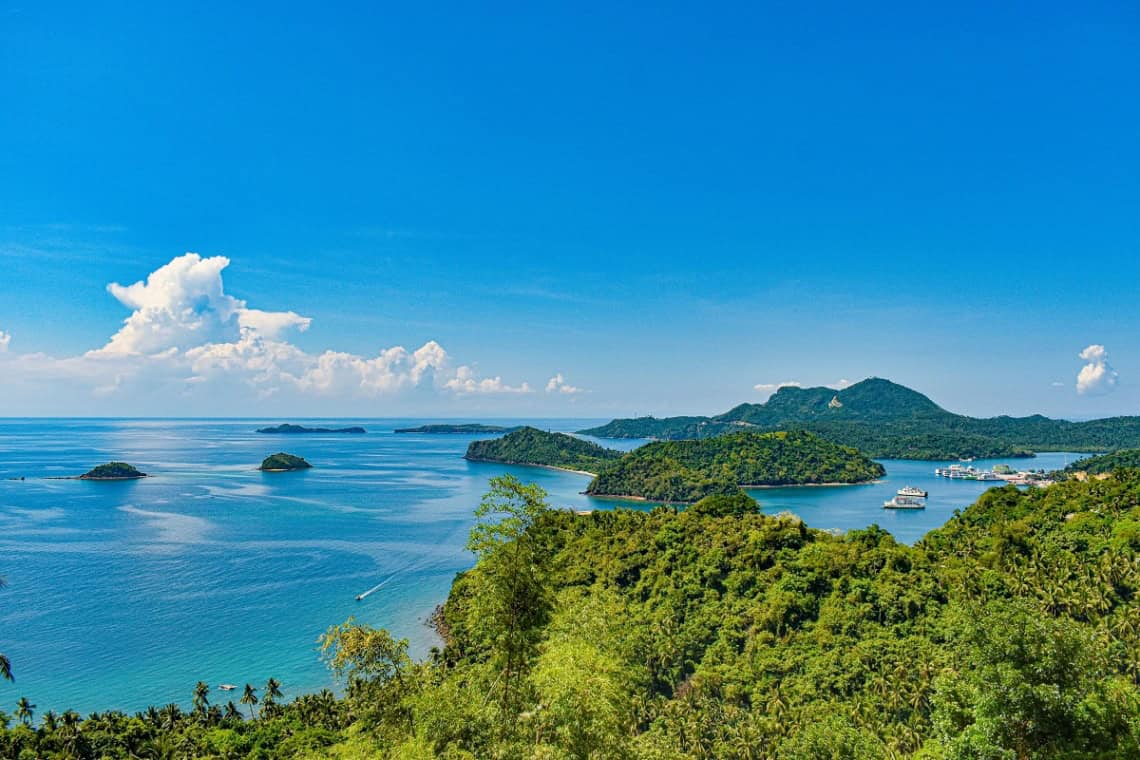
Welcome to Marinduque, the heart-shaped island province in the MIMAROPA region, often called the "Heart of the Philippines." If you're searching for authentic charm, rich history, and beautiful natural scenery, exploring Marinduque tourist spots offers a memorable experience. This guide walks you through top places to visit and things to do in Marinduque so you can plan an island getaway that fits your style.
Welcome to Marinduque: An Overview of the Heart of the Philippines
Marinduque is more than just a geographic center on the map; it’s a province with strong traditions and varied landscapes. Shaped like a heart, this island beats with a quieter rhythm than big cities, making it ideal for travelers who prefer a slower, more local feel. Known for the iconic Moriones Festival during Holy Week, Marinduque also offers beaches, caves, hills and mountains, and several historical sites.
The island’s appeal lies in its relatively uncrowded spots, friendly locals, and laid-back atmosphere that invites both relaxation and exploration. Whether you’re an adventurer after hikes and island hopping, a history fan, or someone who just wants to find the best beaches Marinduque has to offer, there is something here for you. This post serves as a Marinduque travel guide to key attractions across its municipalities so you can build your own Marinduque itinerary.
Boac: Unveiling the Cultural and Historical Treasures
Boac, the provincial capital, is often the starting point for visitors and is rich in heritage. Its town center, old houses, and religious sites give you an immediate feel for Marinduque’s history and culture. Exploring Boac is like walking through layers of the island’s past, from Spanish-era influences to more recent events.
Boac Cathedral (Immaculate Conception Parish Church)
Perched on a hill overlooking the town, Boac Cathedral is one of Marinduque’s most recognizable landmarks. The stone church dates back to the Spanish period and has served as a place of worship and a refuge during times of conflict. Its thick walls, traditional façade, and interior details reflect colonial-era architecture and devotion. Visitors can spend time in quiet reflection inside, then step outside to enjoy views over Boac and the surrounding areas. The cathedral remains a key center for religious activities, especially during Holy Week and the Moriones observances.
Old Houses and Ancestral Homes
Walking around the centro of Boac, you’ll notice heritage houses with a mix of stone and wood, capiz shell windows, and elevated living spaces typical of bahay na bato–style homes. Some of these ancestral houses are still used as residences, while others have been repurposed into small shops, offices, or cafés. Taking a leisurely stroll through these streets is a good way to appreciate the town’s architecture and imagine what life looked like in earlier decades.
Museo ng Marinduque
For a more structured look at the island’s story, visit the Museo ng Marinduque. The museum houses artifacts, photographs, and displays related to local history, archaeology, and culture. You can see items that reflect early settlement, religious practices, and the development of the Moriones tradition, among others. Stopping by the museum before or after exploring town gives helpful context to the places and festivals you’ll encounter during your visit.
Boac River
The Boac River flows alongside part of the town and adds to its landscape. While not a major resort area, its banks offer pockets of greenery and spots where locals gather or pass through their daily routines. During certain events and processions, the riverfront also becomes part of the setting. It’s a quiet place to pause for a few minutes if you’re already walking through town.
Practical Tip for Boac: Boac is very walkable. Wear comfortable footwear, and plan at least half a day for the cathedral, old streets, museum, and a meal at a local eatery. This gives you a solid introduction before you head out to beaches, mountains, or islands elsewhere on Marinduque.
Gasan & Sta. Cruz: Island Hopping Adventures and Scenic Beaches
The municipalities of Gasan and Sta. Cruz are jump-off points for many of Marinduque’s well-known island and beach destinations. This is where island hopping, snorkeling, and sandbar visits usually start, making it a highlight for beach lovers planning their Marinduque itinerary.
Maniwaya Island Marinduque
Maniwaya Island, off the coast of Sta. Cruz, has become one of Marinduque’s most talked-about island stops. It features a stretch of light-colored sand, clear water, and a relaxed, provincial island vibe. Basic accommodations and small resorts on the island make it possible to stay overnight and use Maniwaya as a base for exploring surrounding spots.
- Palad Sandbar: Palad Sandbar appears during low tide as a strip of sand in the middle of the sea. At the right time of day, you can walk on the exposed sand and enjoy 360‑degree views of the surrounding water. It’s a popular photo and swimming stop on island-hopping tours, but timing depends on tide conditions.
- Mongpong Island and Ungab Rock Formation: A short boat ride away, Mongpong Island is known for the Ungab Rock Formation, a natural rock arch by the sea. Visitors come here for photos, quick swims, and to enjoy the rugged coastline. The island has a more laid-back, less commercial feel, so it’s good for those who like quieter spots.
- Tres Reyes Islands (Gaspar, Melchor, Baltazar): Off the coast of Gasan are three islands named after the Three Kings. Gaspar, the largest, is a common stop for beach visits, snorkeling, and exploring small coves. Melchor and Baltazar are smaller and feel more secluded. The surrounding waters can offer good visibility for fish and corals when conditions are right.
Practical Tip for Island Hopping: To visit Maniwaya Island Marinduque, Palad Sandbar, Mongpong, and Tres Reyes, arrange a boat trip from Sta. Cruz or Gasan, or through a resort on Maniwaya. Start early to take advantage of calmer seas and better light. Bring sun protection, drinking water, snacks, and snorkeling gear if you have your own. Always follow local guidelines about tides, safety, and where it’s allowed to swim or dock.
Buenavista: Majestic Mountains and Geothermal Springs
Buenavista lives up to its name (“good view”) with mountain vistas and coastal scenery, plus one of the island’s best-known geothermal spots. It appeals to visitors who enjoy hiking, nature, and less crowded locations.
Mount Malindig
Mount Malindig, an inactive volcano and Marinduque’s highest peak, is one of the most prominent sights in the southern part of the island. For experienced hikers and those comfortable with guided climbs, ascending its slopes is among the more adventurous things to do in Marinduque. Trails typically pass through grasslands and forested areas, and the summit or viewpoints can offer wide views of nearby coasts and even neighboring islands on a clear day. The difficulty can vary by route and weather, so check current conditions and local requirements before hiking.
Malbog Sulfur Spring
At the foot of Mount Malindig, in Barangay Malbog, you’ll find a sulfur spring where mineral-rich water flows from geothermal activity below. The pools, known for their sulfur smell and cloudy appearance, are used for soaking and are believed by some visitors to help with skin and muscle concerns. Simple facilities allow people to bathe in the warm water in a rustic setting. It’s a different kind of stop from beaches and churches and offers a quick look at the island’s volcanic side.
Secluded Coves and Coastal Views
Buenavista’s coastal stretches include quiet coves and rocky shores that are less developed than the more famous swimming beaches elsewhere on the island. While they may not all be set up for typical resort-style stays, they can be rewarding to explore for those who enjoy photography, peaceful sea views, and less frequented spots. Always be mindful of tides and footing when walking along more rugged areas.
Practical Tip for Buenavista: If you plan to hike Mount Malindig, secure a local guide and follow any local regulations or registration processes. For Malbog Sulfur Spring, bring a towel, a change of clothes, and be prepared for the sulfur smell to cling to swimsuits or shirts. Buenavista is great to combine in a day or two with southern beaches and viewpoints.
Torrijos: Southern Marinduque’s Beach and History Highlights
Torrijos, on the southeastern side of Marinduque, is known for one of the island’s more accessible white-sand beaches and for a site tied to the Philippine–American War. It offers a mix of seaside relaxation and a bit of historical reflection.
Poctoy White Beach
Poctoy White Beach is often mentioned when people talk about the best beaches in Marinduque. It features a long strip of light-colored sand with views toward Mount Malindig and typically gentle waves. The shoreline has trees for shade, small cottages, and local stores or eateries, making it friendly for families and groups. You can swim, rent small cottages or picnic tables, and enjoy simple beachside food from local vendors or nearby resorts. It’s popular on weekends and holidays, so expect more people during peak times.
Freedom Park (Battle of Paye Site)
In Torrijos, Freedom Park commemorates the Battle of Paye, a 1900 encounter during the Philippine–American War where Filipino forces fought against American troops. A monument and markers at the site recall this event and pay respect to those involved. Visiting the park adds a historical context to your trip and shows how Marinduque connects to broader national history, beyond its beaches and festivals.
Taguayan Falls and Other Natural Attractions
Torrijos and nearby areas have lesser-known natural sites such as Taguayan Falls. Reaching falls like these usually involves some walking or light trekking, but the reward is a natural pool and a cooler environment under the trees. Since these sites are less commercialized, it’s important to ask local residents or guides about directions, trail conditions, and safety before going.
Practical Tip for Torrijos: Poctoy White Beach is easy to include in most Marinduque itineraries because of its accessibility and facilities. If you plan to visit Freedom Park and Taguayan Falls on the same day, start early and confirm transport arrangements ahead of time. Torrijos works well as a base if you like waking up near the sea and exploring the southeast of the island.
Planning Your Marinduque Trip: Practical Tips and Travel Guide
A bit of planning makes it easier to enjoy all these Marinduque tourist spots without feeling rushed.
- How long to stay: For a first visit, 3–4 days is usually enough to see Boac, do at least one island-hopping day (Maniwaya or Tres Reyes), and relax at Poctoy White Beach. With 5–7 days, you can add a Mount Malindig hike, Malbog Sulfur Spring, and more waterfalls or caves.
- Best time to visit: The drier months (roughly late November to May) are generally better for beaches, island hopping, and outdoor activities. Holy Week is very busy because of the Moriones Festival, so expect more people and higher demand for transport and lodging.
- Getting around: Tricycles are widely used for short distances within towns. For inter-town travel, jeepneys or vans run set routes. For more flexibility—especially if you want to reach trailheads or remote spots—consider hiring a vehicle with driver or renting a motorcycle if you’re experienced and licensed.
- Respect local culture and environment: Dress modestly when visiting churches and town centers, follow local rules in protected areas, and practice “leave no trace” habits on beaches, islands, and trails. Supporting local guides, boatmen, and small businesses helps keep tourism benefits within the community.
With its combination of heritage towns, island-hopping routes, mountain views, springs, and beaches, Marinduque offers plenty of places to visit without the heavy crowds of more commercial destinations. Use this guide as a starting point, then layer in your own discoveries to create a Marinduque itinerary that matches your pace and interests.