Marinduque Travel Guide: Explore the Heart of the Philippines
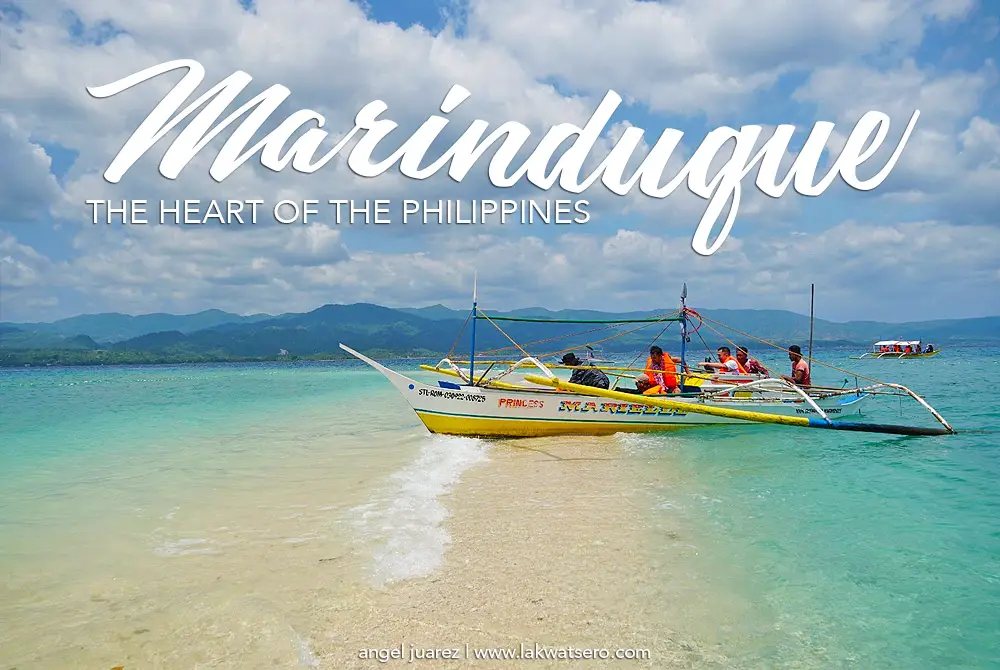
Welcome to Marinduque, often lovingly called the "Heart of the Philippines" due to its distinctive shape and central location in the archipelago. If you're seeking an authentic island experience away from the bustling tourist crowds, this comprehensive Marinduque travel guide will unlock the secrets of this tranquil paradise, from its vibrant festivals to its serene natural wonders. Prepare to explore a destination rich in culture, history, and breathtaking landscapes, offering a genuine glimpse into Filipino island life.
1. Discover Marinduque: The Heart of the Philippines
Nestled in the MIMAROPA region, Marinduque is an island province renowned for its unspoiled beauty, peaceful ambiance, and deeply rooted cultural heritage. Shaped almost perfectly like a heart, the island is often associated with warmth and hospitality, a sentiment you'll feel from the moment you arrive. Beyond its geographical distinction, Marinduque holds a significant place in Philippine history, particularly as the traditional home of the Moriones Festival, a world‑famous Lenten celebration.
The province is characterized by rolling hills, lush forests, pristine beaches, and intriguing caves. Its six municipalities—Boac (the capital), Mogpog, Gasan, Buenavista, Torrijos, and Santa Cruz—each offer unique charms and attractions. Life here moves at a slower, more relaxed pace, making it an ideal destination for travelers looking to disconnect from the daily grind and immerse themselves in nature and local traditions.
Marinduque’s cultural fabric is as rich as its natural surroundings. The island's people, known as Marinduqueños, are proud of their heritage, reflected in their customs, cuisine, and strong sense of community. While primarily an agricultural province, Marinduque is increasingly recognized for its tourism potential, inviting visitors to experience its unique blend of rural simplicity and cultural vibrancy. From ancient churches to idyllic islands, Marinduque promises an adventure that touches both the heart and the soul. To truly understand the depth of its history and the warmth of its people, consider spending ample time exploring beyond the usual tourist routes, engaging with locals, and discovering the hidden gems that make Marinduque so special. Each corner of this island holds a story, waiting to be discovered by the curious traveler.
2. Getting There: Your Marinduque Transportation Guide
Reaching the secluded shores of Marinduque is part of the adventure, involving a combination of land and sea travel for most visitors. While there is an airport, the most common and reliable method involves a scenic journey that allows you to witness the varied landscapes of the Philippines. Here's how to get to Marinduque efficiently and comfortably.
By Air
Marinduque has a domestic airport, the Marinduque Airport (also known as Gasan Airport or Mabini Airport) located in Gasan. There have been scheduled flights connecting the island with Manila, typically operated by smaller domestic carriers. Flight availability can fluctuate, however, so it is important to check current schedules well in advance of your trip. The flight duration is roughly 45–60 minutes. If a direct flight fits your itinerary, this is the fastest way to reach Marinduque, though many travelers still treat the land‑and‑sea route as the default option because of its reliability and frequency. Always confirm flight status directly with airlines or local travel agents before your departure.
By Land and Sea (Most Common Route)
This is the most popular and often the most reliable method for how to get to Marinduque from Manila.
-
Manila to Lucena City (Quezon Province):
- Bus: Several bus companies run daily trips from major Manila terminals (such as Cubao, Buendia, and Alabang) to the Lucena City Grand Terminal. Look for buses bound for "Lucena City" or "Dalahican Port." The journey usually takes about 3–4 hours, depending on traffic. Air‑conditioned coaches provide a comfortable ride.
- Private Car: If you prefer to drive, you can head directly to Lucena City and then proceed to Dalahican Port. This route offers more flexibility but may require extra time due to expressway traffic.
-
Lucena City (Dalahican Port) to Marinduque:
- From the Lucena City Grand Terminal, take a short tricycle ride to Dalahican Port.
- Ferry: At Dalahican Port, various ferry operators offer Roll‑on/Roll‑off (RORO) and fast‑craft services to Marinduque. The main entry point is Balancan Port in Mogpog, although some routes also serve Buyabod Port in Santa Cruz and Cawit Port in Boac.
- RORO ferries: These larger vessels can carry vehicles and passengers; the trip usually takes around 3–4 hours, depending on the destination port and sea conditions. They are generally more affordable and provide a steadier crossing.
- Fast crafts: These speedier boats reduce travel time to about 1.5–2 hours but typically cost more and can be more prone to cancellations during rough seas.
- Booking: While tickets can often be purchased on the spot, it is wise to book in advance, especially during peak periods such as Holy Week or major holidays, to secure your sailing slot. Check current schedules and availability with operators like Starhorse Shipping Lines or Montenegro Shipping Lines.
Getting Around Marinduque
Once you’ve arrived in Marinduque, moving around the island is straightforward:
- Tricycles: The most common form of local transport, ideal for short trips within towns or to nearby attractions. Agree on the fare before starting your ride.
- Jeepneys: These run fixed routes between municipalities and are a budget‑friendly way to travel longer distances.
- Vans for Hire: For groups or more comfortable sightseeing, you can arrange private van rentals, which are especially useful for multi‑town itineraries. These are often arranged through your accommodation or local tour contacts.
- Motorcycles (Habal‑habal): For solo travelers or more remote areas, motorcycle taxis are an option; be sure the driver is experienced and that you wear a helmet.
Planning your journey in advance, especially when it comes to ferry schedules and transfers from ports to your chosen resort or town, will help ensure a smooth start to your Marinduque adventure. For the most up‑to‑date information, consider checking local tourism pages or contacting ferry operators directly.
3. Best Time to Visit Marinduque & Festival Highlights
Choosing the right time to visit Marinduque can greatly enhance your experience, especially if you want to join its famous festivals or enjoy the island under clear skies and calm seas.
Best Time to Visit Marinduque: Weather‑Wise
Marinduque enjoys a typical tropical climate, with a distinct dry season and wet season.
- Dry Season (November to May): This is generally the best time to visit Marinduque.
- Cool Dry (November to February): These months are cooler and less humid, making them ideal for hiking, exploring caves, and sightseeing. The seas are usually calmer, which is perfect for beach lounging and island‑hopping.
- Hot Dry (March to May): These months are the warmest but coincide with the peak festival season. Temperatures can be high, but the skies are often clear and the waters around the Marinduque beaches are inviting for swimming and snorkeling.
- Wet Season (June to October): This period brings more frequent rain and higher humidity. The island remains beautiful, but outdoor activities can be disrupted by storms or strong winds, and sea travel may be affected. Accommodation and transport rates may be lower, but travelers should be prepared for possible weather‑related changes to plans.
For most visitors, targeting the dry season—especially March to May—offers the best mix of comfortable weather and cultural experiences.
Festival Highlights: The Moriones Festival Travel Experience
Marinduque is best known worldwide for its Moriones Festival, a major Lenten tradition that turns the entire island into a living theater.
- When: The Moriones Festival is held annually during Holy Week, typically from Holy Monday to Easter Sunday. In 2026, Holy Week falls from March 30 (Palm Sunday) through April 5 (Easter Sunday), with the main street activities running from the Monday to the Sunday after. Exact schedules for re‑enactments and town processions vary by municipality, so checking local tourism updates closer to the dates is recommended.
- What it is: The festival dramatizes the story of Longinus, a Roman centurion who, legend says, was blind in one eye and regained his sight when Christ’s blood splashed on him during the crucifixion. This miracle led to his conversion and eventual martyrdom. The term "Moriones" refers to the masked and costumed penitents who roam the streets dressed as Roman soldiers, searching for Longinus. Their presence brings a mix of solemnity and merrymaking, as they engage in playful antics while retracing the spiritual journey.
- Main Events: The celebration centers on the "Via Crucis" (Way of the Cross) on Good Friday and the dramatic "Pugutan" (Beheading) of Longinus on Easter Sunday. Boac, Mogpog, and Gasan are among the key towns where the most intense and visually striking scenes unfold.
- Why it’s a must‑see: Moriones Festival travel offers a powerful fusion of religious devotion, folklore, and community theater. The striking wooden masks, colorful costumes, processions, and street‑level performances create an atmosphere unlike anything else in the country. For cultural and photography enthusiasts, it is a highlight that defines the island’s identity.
- Travel Tips for Moriones Festival:
- Book early: The best resorts in Marinduque, as well as flights, buses, and ferry seats, tend to sell out months ahead of Holy Week.
- Expect crowds: The island welcomes significantly more visitors during this time; plan for heavier traffic, long queues, and the possibility of higher prices.
- Dress respectfully: This is, first and foremost, a religious observance. Wear modest clothing, especially when attending church‑related events or processions.
- Stay hydrated and protected: The weather is often hot and humid, so carry water and use sunscreen or light layers.
Other Festivals
In addition to the Moriones Festival, Marinduque also hosts several other celebrations that showcase its unique character:
- Bila‑Bila Festival (Butterfly Festival): Held in the town of Boac, usually in mid‑ to late May, this festival celebrates Marinduque’s reputation as a butterfly‑rich region. The festival features colorful street dances, butterfly‑themed costumes, and various cultural performances.
- Araw ng Marinduque (Marinduque Day): Celebrated every February 21, Araw ng Marinduque marks the province’s founding anniversary. The date is recognized locally as a special non‑working day in the province, and the occasion is often marked with parades, ceremonies, and other civic events.
Experiencing Marinduque during its festival season, particularly the Moriones Festival, offers an unparalleled cultural immersion that complements the island’s natural beauty and tranquil pace of life. Whether you come for the soft sands of its beaches or the intensity of its street‑level traditions, Marinduque leaves a lasting impression on every visitor who takes the time to explore its heart.